Best Robot Lawn Mowers: 6 Picks for Every Yard
As an Amazon Associate, TechCurated earns from qualifying purchases made through links on this page, at no extra cost to you.
Best Robot Lawn Mowers are the ones you forget about. They head out on their own, cut the grass a little at a time, and dock themselves to charge, so the lawn stays tidy without a Saturday spent pushing a mower. Our top pick is the Mammotion LUBA 2 AWD 3000X, because it needs no boundary wire, climbs slopes other mowers refuse, and covers a proper family garden. Best Robot Lawn Mowers for a big garden also need to match your slopes and your trees, so every pick below states who it suits and who should look elsewhere. Best Robot Lawn Mowers were judged on navigation first, then coverage, slope handling, and how much setup they ask of you, because those are the things that decide whether a robot mower becomes a habit or a gadget in the shed.
1. Husqvarna Automower 430X — Best for Large Lawns
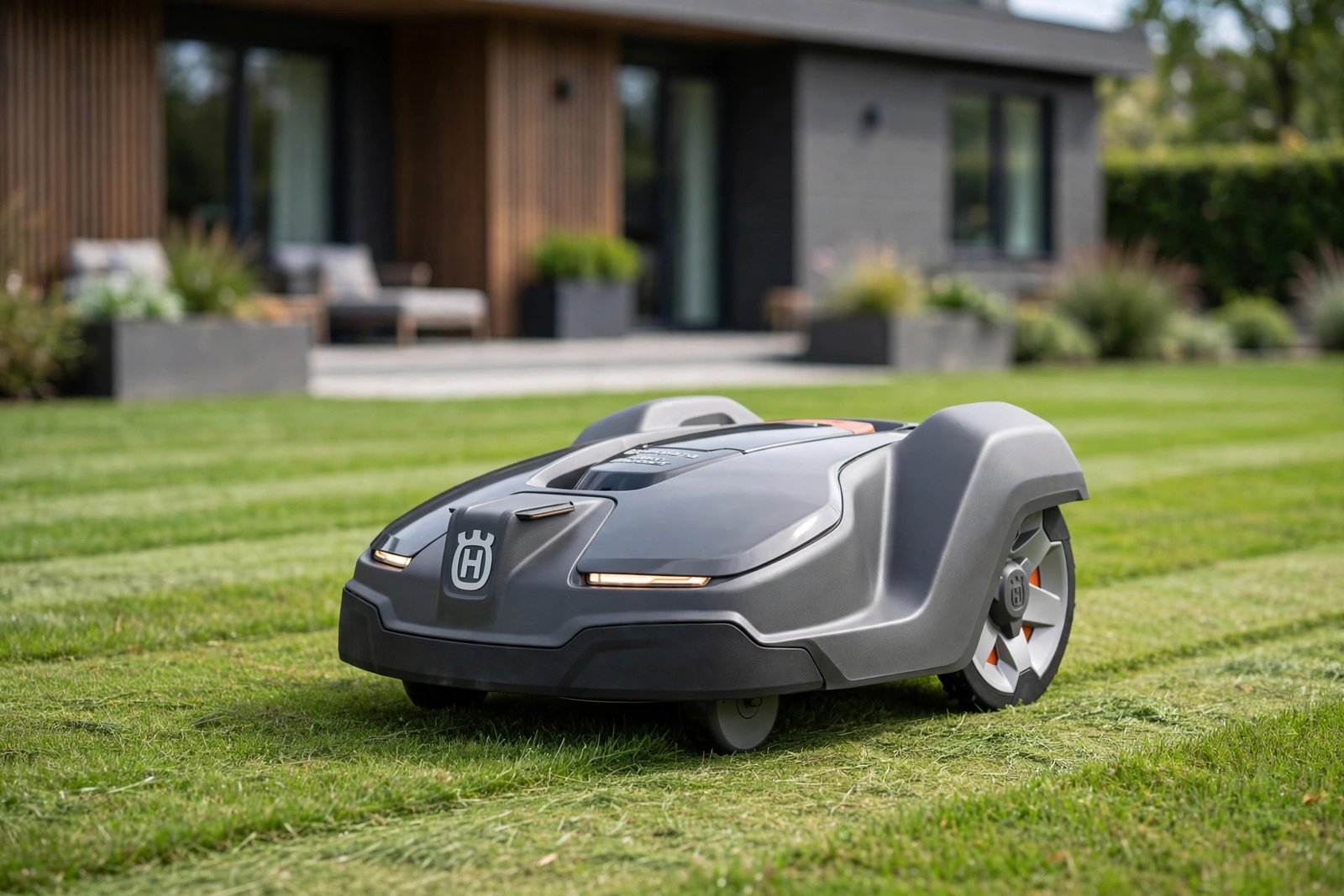
The Automower 430X is the steady veteran of this list, and it shows in the way it works. It mows in a random pattern a little every day, which keeps the grass at a constant height and leaves the clippings so fine they feed the lawn instead of needing to be collected. GPS-assisted navigation helps it find its way around a garden of up to 0.8 acres, and it is famously quiet, so it can run in the evening without bothering the neighbours. That quiet running is why Best Robot Lawn Mowers like this one get scheduled for evenings rather than weekends. The mower handles steep slopes, finds its charging station on its own, and can be steered from an app when you want to change its schedule.
This mower is for anyone with a medium to large lawn who wants a proven machine and does not mind the one-time job of laying a boundary wire. It is not for people who want to unbox and mow the same afternoon, because the wire install takes an afternoon of its own, and it is not the pick for a tiny lawn, where a smaller mower would do the same job for far less. Compared with the Mammotion below, the 430X trades wire-free setup for years of proven reliability and a dealer network that actually answers the phone.
2. Mammotion LUBA 2 AWD 3000X — Best Overall
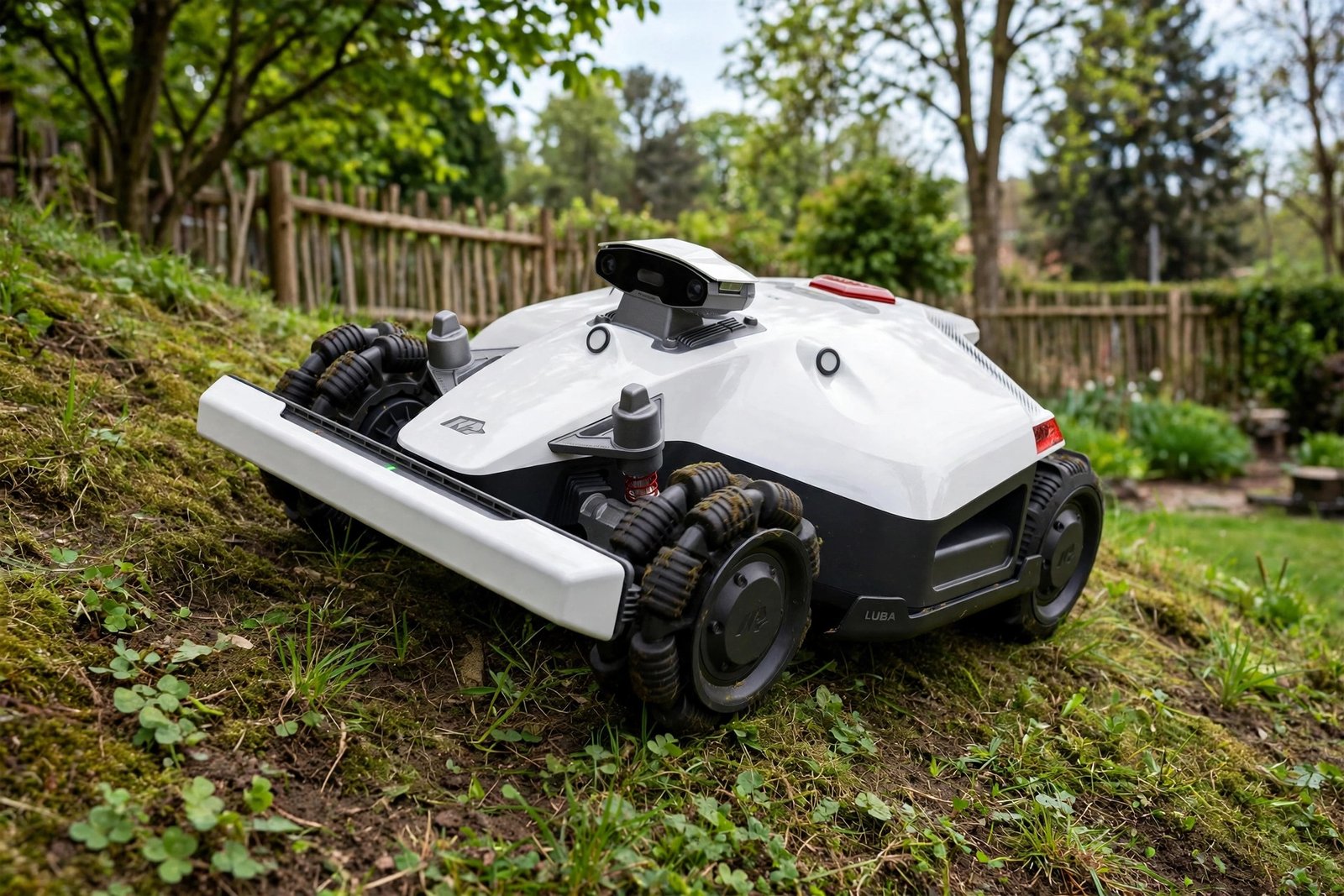
The LUBA 2 AWD 3000X is the mower that makes the wire feel old-fashioned. It maps your garden with satellite positioning and a camera, so there is no boundary wire to bury and no signal loop to break, and its all-wheel drive takes on slopes of up to 80 percent that would stop most robot mowers in their tracks. It covers up to 0.75 acres, splits the garden into zones you can name and schedule separately, and its front camera spots obstacles such as shoes, toys, and garden hoses instead of chewing through them. A hands-on review by TechRadar praised the same wire-free mapping and slope ability, which matches what owners report in practice.
This mower is for large or hilly gardens where a normal robot mower would get stuck or need a wire around every flower bed. It is not for small flat lawns, because you would be paying for slope and mapping ability you will never use, and it is not for anyone who wants the cheapest way into robot mowing, because this sits firmly in the premium tier. Compared with the Husqvarna above, the LUBA 2 sets up in an afternoon with no digging, and compared with the Dreame below, it trades LiDAR for satellite positioning that works well in open gardens.
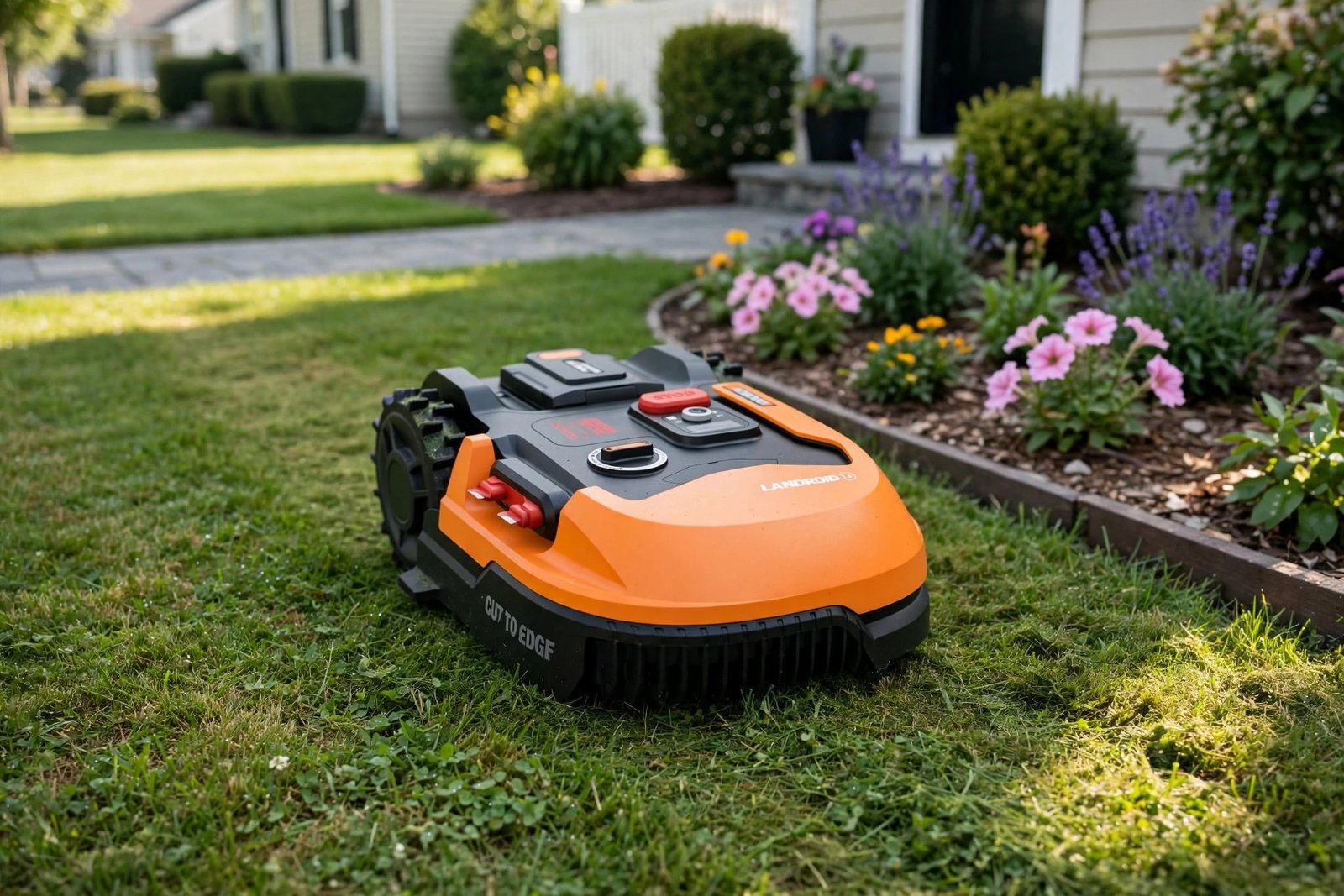
3. Worx Landroid M20V — Best Budget
The Landroid M20V is the sensible way into robot mowing. It covers up to a quarter of an acre on a single 20V PowerShare battery, and that battery also fits the rest of Worx’s 20V garden and power tools, which is a quiet saving if you already own any of them. The mower follows a boundary wire, cuts close to edges, and returns to its dock when the battery runs low. It comes with the battery and charger in the box, so there is nothing extra to buy before the first mow, and the app lets you set a weekly schedule in minutes. It is the kind of set-and-forget routine Best Robot Lawn Mowers are bought for in the first place.
This mower is for small to medium lawns and first-time buyers who want robot mowing without a premium price. It is not for large gardens, because a quarter-acre limit means it would never finish a big lawn in a sensible schedule, and it is not for steep or rough ground, where its single-axle drive can struggle. Compared with the Navimow below, the Landroid costs less and is simpler to live with, but you give up wire-free setup and the camera-guided obstacle avoidance.
4. Segway Navimow i206 AWD — Best for Small Sloped Lawns
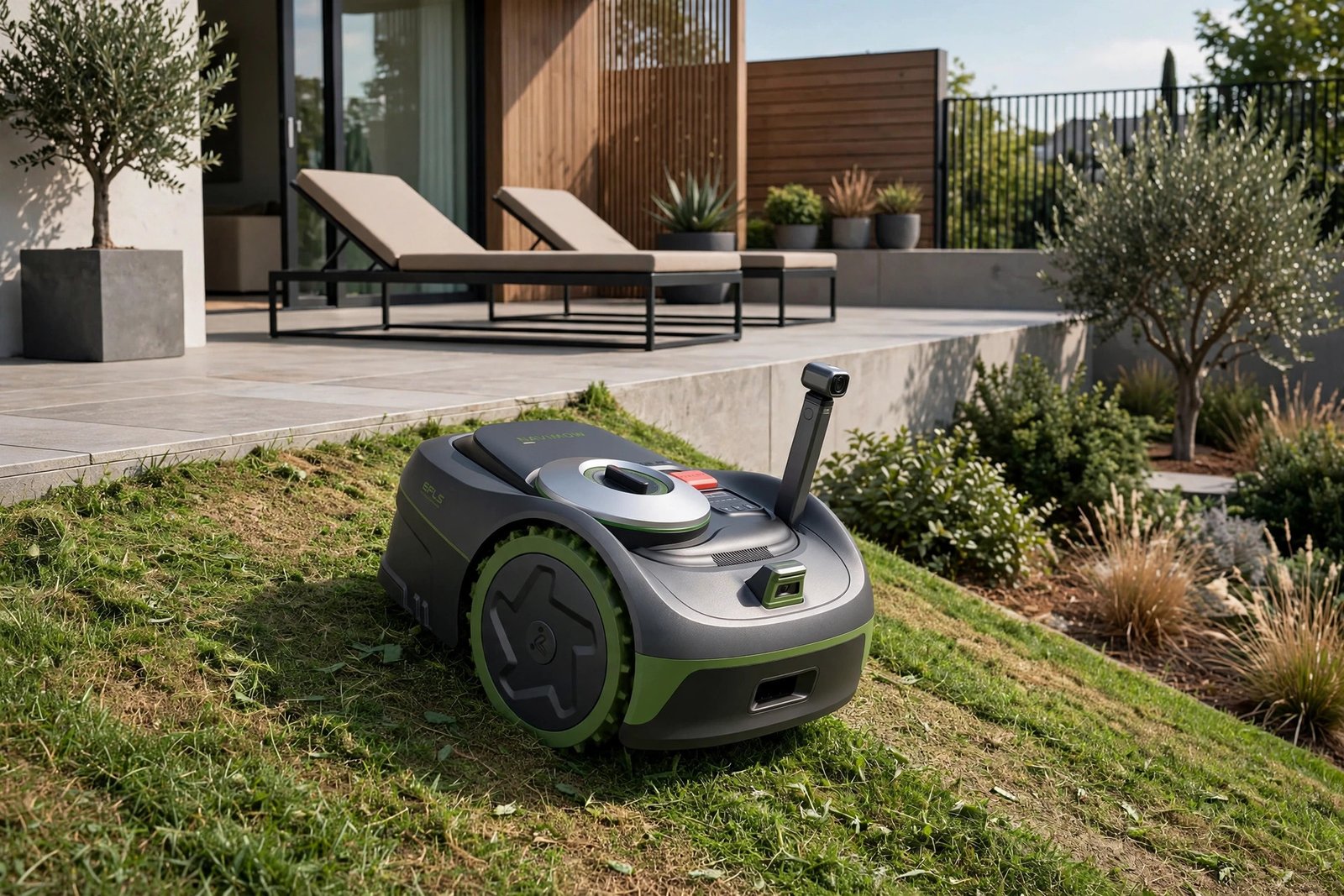
The Navimow i206 AWD is the small mower with the big trick: all-wheel drive in a machine built for gardens of up to 0.15 acres. It maps the lawn with satellite positioning, vision, and GPS, so there is no wire to lay, and it climbs slopes of up to 45 percent that would defeat most mowers its size. The mower sets its own mowing plan, avoids obstacles with its camera, and its built-in 4G connection keeps it online even where home Wi-Fi does not reach the far end of the garden. It is the direct replacement for the older i105N, which sold out in the seasonal sales, and it keeps the same compact footprint.
This mower is for small gardens with a slope, a bank, or soft ground where a normal small mower would slip. It is not for anyone with a large lawn, because 0.15 acres is a hard limit, and it is not for gardens with heavy tree cover, where satellite positioning can struggle and a LiDAR mower may map more reliably. Compared with the Landroid above, the i206 costs more but removes the wire entirely, and compared with the LUBA 2, it is the same idea shrunk down for a much smaller garden.
5. Dreame A3 AWD Pro 3500 — Best for Tricky Large Gardens
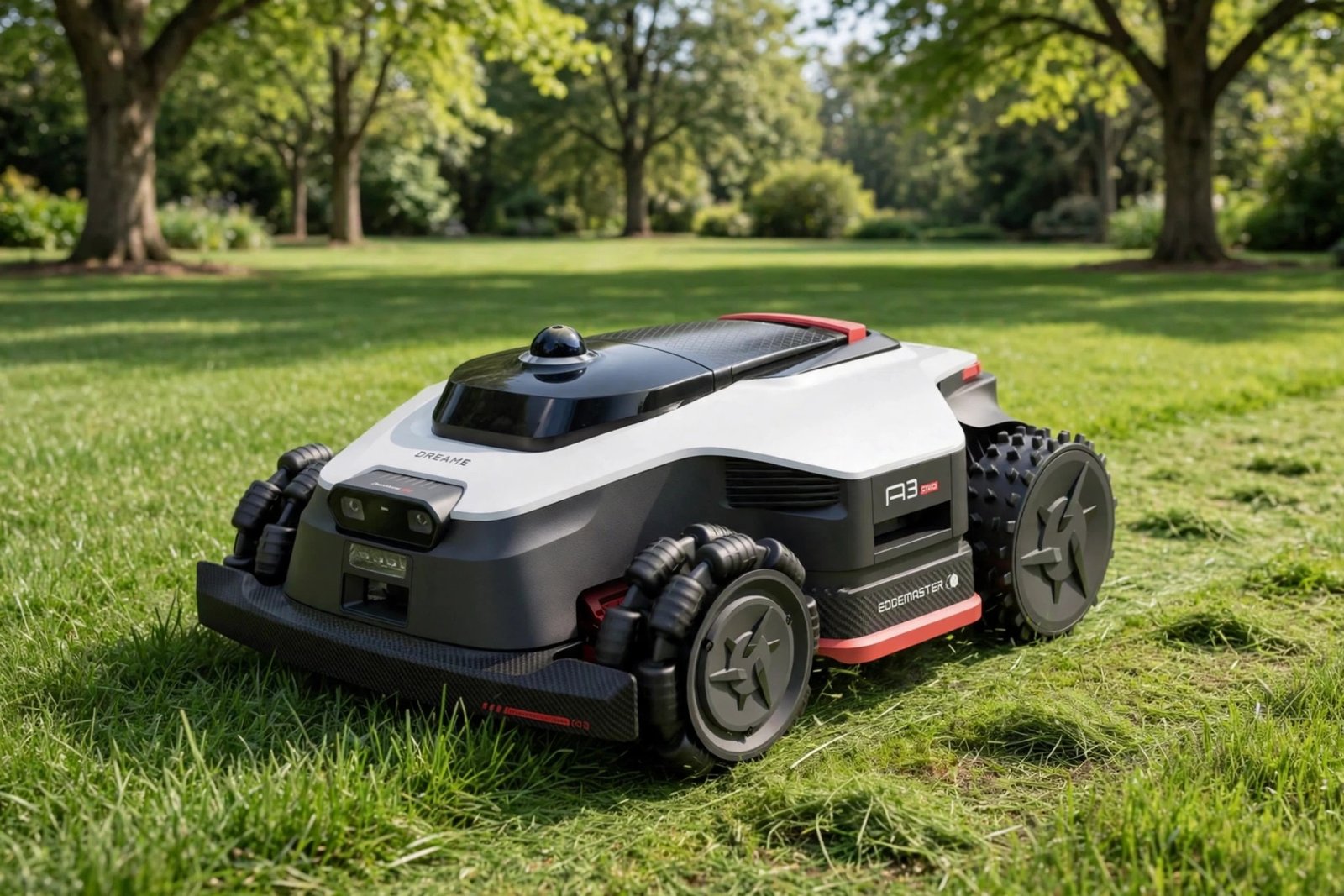
The Dreame A3 AWD Pro 3500 is the mower for gardens that confuse other robots. It navigates with LiDAR and dual vision cameras, so it maps under trees and around garden furniture without needing a satellite signal or a boundary wire, and its all-wheel drive handles slopes of up to 80 percent. It covers up to 0.87 acres, which makes it the largest-coverage mower on this list, and it builds a 3D map of the garden that you can edit zone by zone in the app. The mower is still a fairly new model, so its owner-review base is smaller than the older names here, but early hands-on coverage has been positive about its mapping in tree-heavy gardens.
This mower is for large gardens with trees, shade, narrow passages, or mixed surfaces where satellite mowers can lose their fix. It is not for buyers who want a long track record before they commit, because this model has only recently arrived, and it is not for small lawns, where its size and mapping power would be wasted. Compared with the LUBA 2, the Dreame keeps working where tree cover blocks the sky, and compared with the MOVA below, it covers nearly twice the ground.
6. MOVA LiDAX Ultra 2000 — Best Wire-Free Mid-Size
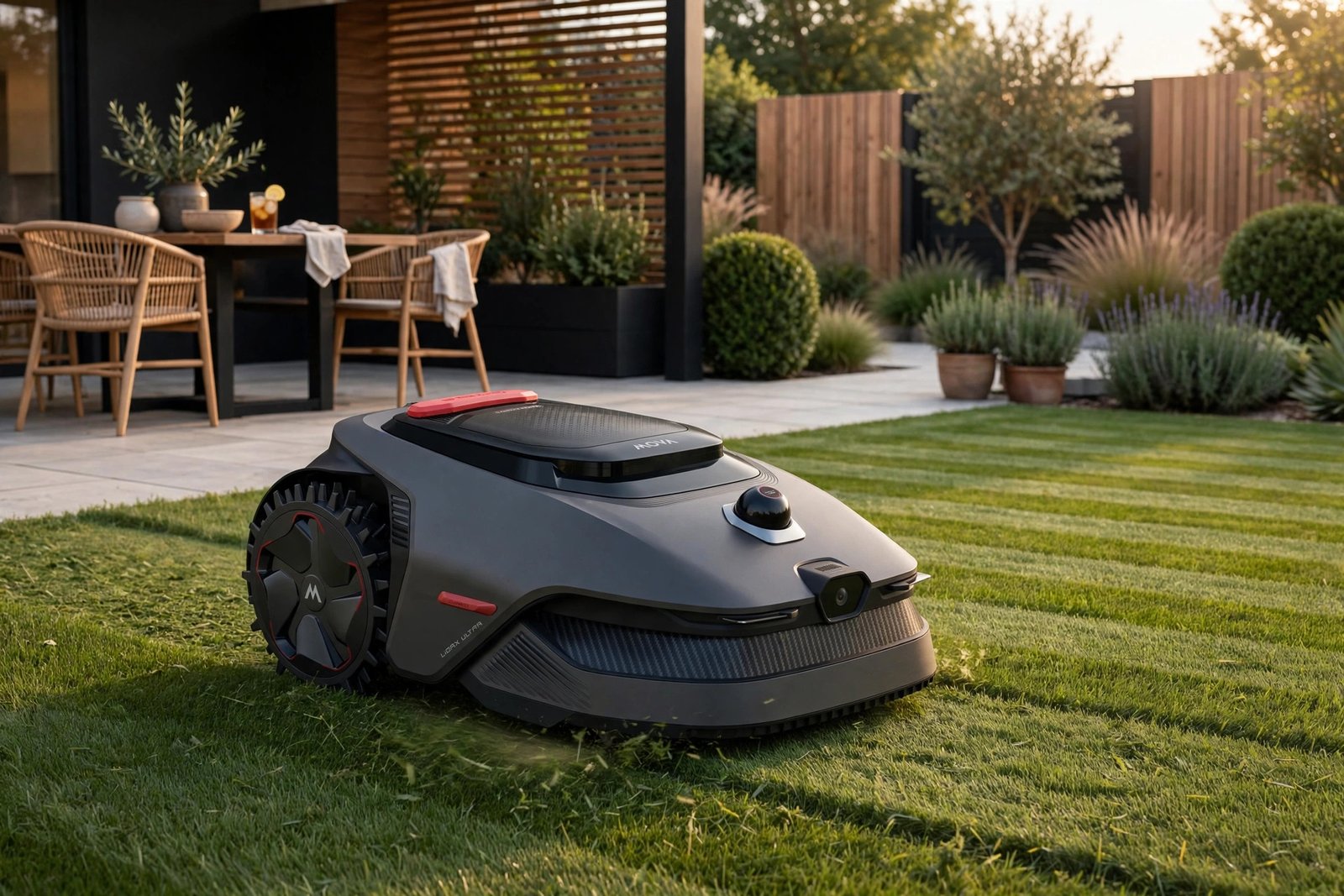
The LiDAX Ultra 2000 is the neat middle of this list. It covers up to half an acre with no boundary wire and no satellite base station, navigating instead with 360-degree LiDAR and AI vision, so it maps the garden itself and keeps going under tree cover. Its zero-edge cutting trims close to borders, which means less strimming along fences and paths, and it manages up to 150 mowing zones across two maps, so front and back gardens can run on different schedules. The mower handles slopes of up to 45 percent, and its built-in 4G connection keeps the app in touch with the mower wherever it is in the garden.
This mower is for medium gardens where you want wire-free mapping without paying for the biggest premium models. It is not for large gardens over half an acre, and it is not for anyone who wants the deepest slope ability, because the AWD models above climb considerably steeper ground. Compared with the Dreame above, the LiDAX covers less ground but costs less and is simpler to set up, and compared with the Navimow, it covers more than three times the area. For a medium garden, that balance is exactly what Best Robot Lawn Mowers in the middle of the range should offer.
How to Choose Among the Best Robot Lawn Mowers
A mower is only half the garden setup, so once yours is chosen, our garden tech gadgets guide covers the smart watering, weather station, and outdoor lighting that finish the garden. For the mower itself, five things matter more than anything else, and Best Robot Lawn Mowers all get these five things right.
Coverage comes first, and it is a hard limit, not a suggestion. Measure your lawn honestly, including the awkward corners, and pick a mower rated for at least that area. A mower rated for a quarter acre will not finish a half-acre lawn in any sensible schedule, while a mower rated for nearly an acre on a small lawn is money spent on capacity you will never use.
Navigation decides how much setup you do and how well the mower copes with your garden. Boundary-wire mowers are proven and cheaper, but laying the wire takes an afternoon and a break in the wire stops everything. Wire-free mowers map with satellite positioning, LiDAR, or cameras, and they set up in an hour or two, but satellite models can struggle under heavy tree cover, which is where LiDAR models earn their keep.
Slopes separate the list more than most buyers expect. Flat-lawn mowers manage gentle banks, but a garden with a real slope needs all-wheel drive and a stated slope rating. Check the rating against your steepest bank before you buy, and remember that wet grass is harder to climb than dry grass, so a margin on the rating is worth having.
Obstacle avoidance is what keeps the mower out of trouble when you are not watching. Camera and LiDAR mowers spot shoes, toys, hoses, and pets, while simpler mowers rely on a bumper and will push through whatever they meet. If children or pets use the lawn, this matters more than any other feature on the list.
Edge cutting decides how much strimming you still do. Mowers with zero-edge or cut-to-edge cutting trim close to fences and paths, while others leave a strip of uncut grass around every border. If you hate strimming, this one feature is worth paying extra for.
Our Verdict
Of all the Best Robot Lawn Mowers here, the LUBA 2 AWD 3000X is the one we would buy first, because its wire-free setup, all-wheel drive, and slope ability cover the most gardens the best. If the budget is tighter, the Landroid M20V brings robot mowing to a small lawn without a premium price. Small sloped gardens should go straight to the Navimow i206 AWD, and large tree-heavy gardens should look at the Dreame A3 AWD Pro 3500. Whichever you pick, measure your lawn and your steepest slope before you order, because coverage and slope decide whether a good mower feels great or just okay.
Best Robot Lawn Mowers: Frequently Asked Questions
Do robot lawn mowers need a boundary wire?
Not any more. The Best Robot Lawn Mowers on this list split into two camps: the Husqvarna and the Worx use a boundary wire, which is proven and reliable but takes an afternoon to lay, while the Mammotion, Segway, Dreame, and MOVA map the garden with satellite positioning, LiDAR, or cameras and need no wire at all. Wire-free setup is faster and easier to change, but satellite models can struggle under heavy tree cover, where LiDAR models do better.
Can a robot mower handle slopes and wet grass?
Yes, if you buy for your slope. The Best Robot Lawn Mowers with all-wheel drive on this list climb steep banks that stop ordinary mowers, with the LUBA 2 and the Dreame rated for the steepest ground here. Wet grass is harder to climb and cut, so mow when the grass is dry where you can, and leave a margin on the slope rating rather than buying exactly at your garden’s steepest point.
How big a lawn can a robot mower cover?
It depends entirely on the model, from a small 0.15-acre garden for the Navimow i206 AWD up to 0.87 acres for the Dreame A3 AWD Pro 3500. Always measure your lawn before you buy, and pick a mower rated for at least that area, because an undersized mower will never finish on a sensible schedule. If your garden is bigger than any single mower here, look at the largest models first and split the garden into zones.
Are robot mowers safe around children and pets?
Modern robot mowers are built with safety in mind: lift and tilt sensors stop the blades the moment the mower is picked up, and camera models steer around pets and toys. Even so, it is sensible to run the mower when children and pets are indoors, and to clear the lawn of small toys and cables before a mow. Never let a child ride on or play with a mower, and keep the boundary wire, if you have one, buried where it cannot be tripped over.